Top 10 Reasons Moving Ground Mounted Solar Panels is Easy?

Time:2026-09-03 Author:Liam
0%

Moving ground-mounted solar panels can seem daunting to many. However, the process is often easier than it appears. You might wonder, "Can ground-mounted solar panels be moved easily?" The answer is yes, but there are factors to consider.

For instance, a well-designed mounting system allows for straightforward relocation. The right tools and basic knowledge can make moving these panels efficient. Many homeowners have successfully adjusted their solar panel setups to maximize sunlight exposure. This flexibility can lead to improved energy production over time.

It’s essential to plan the move carefully. Identifying the new location, assessing local regulations, and ensuring structural integrity are crucial steps. While relocating solar panels is generally manageable, each situation is unique and may present unexpected challenges. Taking the time to research and prepare can lead to a smooth transition, enhancing the overall performance of your solar energy system.
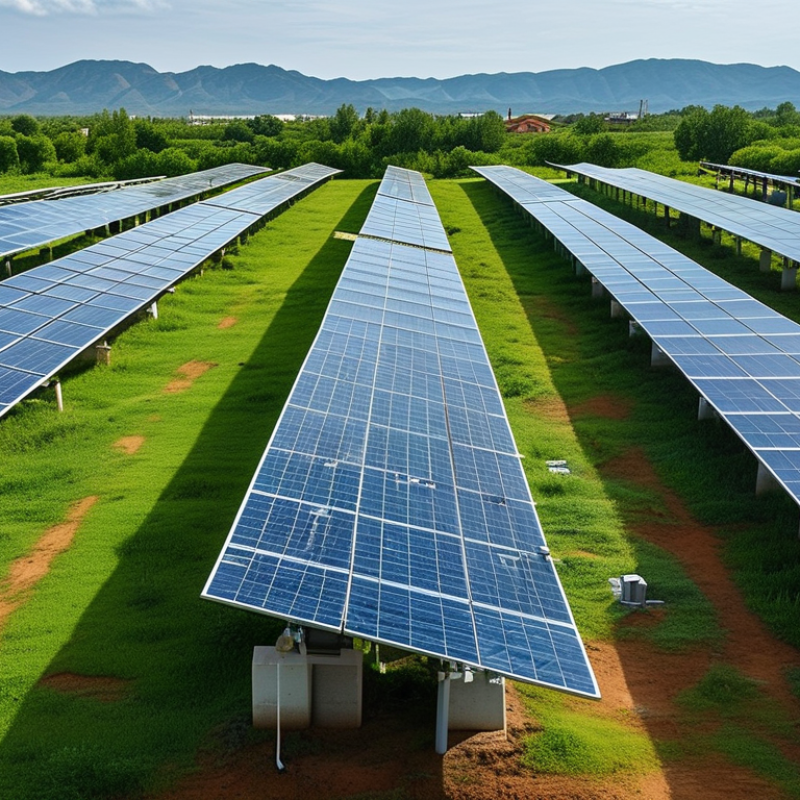
Top 10 Reasons Moving Ground Mounted Solar Panels is Easy?

Benefits of Ground Mounted Solar Panels for Easy Relocation

Ground mounted solar panels are designed for easy relocation, offering flexibility for homeowners. Their structure allows for simple adjustments based on changing needs or environmental conditions. Relocating these systems can be beneficial for optimizing energy production or adapting to new landscapes.

Clear communication is vital when planning a move. Ensure all connections are properly labeled. This prevents confusion during installation. Create a detailed map of the system layout. It simplifies the disassembly and reassembly process. Make sure to check local regulations as they can vary by area.

Incorporating ground mounted panels also means they can be adjusted for sun exposure. Sometimes, the initial placement may not yield the best results. If a tree grows nearby, consider relocating to maximize sunlight. When moving the panels, keep in mind that ground conditions might differ. They may affect installation methods, so be prepared to adapt.

Understanding the Structure of Ground Mounted Solar Panel Systems

Ground mounted solar panels offer flexibility in installation. Understanding their structure is essential for making smart decisions. These systems usually consist of four main components: the panels, racking, inverters, and electrical connections. The racking supports the solar panels and can be adjusted for optimal sunlight exposure. This adaptability enhances energy efficiency.

Moving these panels is often simpler than you think. Many ground-mounted systems have modular designs, which allow for easy relocation. The installation process typically relies on foundation stakes or concrete blocks. Adjusting the setup involves minor tools and can be completed in a short time. However, it's crucial to evaluate the new location's sunlight access and potential obstacles.

It’s not always a perfect process. Sometimes, unexpected challenges arise, like unsuitable terrain or local regulations. During relocation, ensure compliance with all guidelines to avoid complications. The learning curve can be steep, but each move provides valuable insights. Engaging with the process fosters a deeper understanding of solar technology and its practical applications.

Essential Tools and Equipment for Moving Solar Panels

When it comes to moving ground-mounted solar panels, the right tools are essential for a smooth process. A sturdy set of wrenches and screwdrivers will help disassemble the mounting structure efficiently. A power drill can speed up the removal of bolts and screws, while a socket set ensures that you have the right size for every task. Don't forget a reliable tape measure to keep track of new placement dimensions. You may also need a level to ensure the solar panels are installed at the correct angle for optimal sunlight exposure.

While these tools are crucial, there are some aspects to consider. It’s important to plan the new layout before moving. Miscalculating space can lead to ineffective panel placement. Using a site map to visualize the new setup can save time and effort. Safety gear like gloves and goggles should be on hand as well. Moving heavy panels can lead to injuries without proper precautions. The more you practice this process, the more efficient you will become, but each move also brings new challenges. Keep learning and adjusting your methods for better results.

Top 10 Reasons Moving Ground Mounted Solar Panels is Easy

Step-by-Step Guide to Safely Relocate Ground Mounted Solar Panels

Relocating ground-mounted solar panels can seem daunting, but it’s manageable with a solid plan. Begin by gathering essential tools. These may include a shovel, wrench, and safety gear. Understanding the electrical components is crucial. Disconnecting the panels safely prevents accidents. Allocate time for this process; rushing might lead to mistakes.

Next, analyze the new site for optimal sunlight exposure. Location matters. Factors such as shade from trees or nearby structures can impact efficiency. Prepare the new mounting structure according to the manufacturer’s specifications. It’s easy to overlook small details, yet even minor oversights can jeopardize performance.

After relocating, reconnect the panels with care. Ensuring all connections are secure maintains system reliability. Monitor the system post-move. Watch for any anomalies in performance. Addressing issues quickly can save costly repairs later. Learning from any hiccups helps improve future relocations. With proper attention to detail, moving your solar energy system can enhance its efficiency and longevity.

Top 10 Reasons Moving Ground Mounted Solar Panels is Easy

Reason Description Benefit
Simplicity of Installation Ground mounted systems are easier to install than roof-mounted panels. Reduces labor costs and time.
Accessibility Ground systems are more accessible for maintenance and inspections. Increases longevity of the panels.
Flexible Placement They can be relocated to optimize sunlight exposure. Improves energy production efficiency.
Easier Upgrades Upgrading components is simpler with ground-mounted systems. Enhances performance without major overhauls.
Less Structural Impact Minimizes risk of roof damage during installation or relocation. Protects the integrity of the building.
Cost-Effective Solutions Often cheaper to install and relocate due to lower structural requirements. Saves money in both installation and operational costs.
Improved Sunlight Access Can be positioned to avoid shade from trees or buildings. Maximizes solar energy capture.
No Roof Load Does not add weight to the structure of the home. Ideal for homes not built to support heavy loads.
Aesthetic Considerations Can be designed to blend with landscaping. Enhances property value by improving curb appeal.
Environmental Adaptation Can be adjusted to follow new environmental regulations easily. Ensures compliance with local laws and standards.

Common Challenges and Solutions When Moving Solar Panels

Moving ground mounted solar panels can present challenges, but understanding potential issues can help. One common challenge is the complexity of site assessment. Evaluating the new location's sunlight exposure and terrain requires careful analysis. Solar panel effectiveness depends on optimal sunlight capture. Make sure to observe the new site across different seasons.

Another concern is the disconnection of solar panels from existing systems. This task requires knowledge of electrical systems to ensure safety. Safe disconnection involves shutting down the inverter, removing wires, and labeling everything carefully. Many homeowners overlook this step and might face complications. Professional assistance is advisable here for reliable results.

Transportation of solar panels also poses risks. Panels can be fragile and require padding during transport. It is crucial to secure them properly to avoid damage. Improper handling could lead to cracks or breaks, impacting performance. Assessing these risks ensures a smooth transition and helps maintain panel integrity and efficiency.

FAQS

: What tools are essential for moving solar panels?

: Key tools include wrenches, screwdrivers, a power drill, and a tape measure for proper measurements.

Why is planning the new layout important?

Planning prevents miscalculating space, which can lead to ineffective panel placement and wasted effort.

What should I take into account regarding sunlight exposure?

Analyze the new site for shade from trees or structures that can impact sunlight efficiency.

How do I ensure safety during the moving process?

Use safety gear like gloves and goggles, especially when handling heavy panels to avoid injuries.

What should I do after relocating the panels?

Reconnect the panels securely and monitor for performance issues to prevent costly repairs later.

What are common challenges when moving solar panels?

Challenges include site evaluation complexity and improper panel disconnection, which can lead to safety risks.

Why is professional assistance recommended for disconnection?

Disconnection involves electrical safety knowledge; mistakes can lead to complications during the move.

How can I protect the panels during transport?

Use padding and secure the panels properly to prevent potential damage like cracks or breaks.

What happens if I overlook small details in the process?

Overlooking details can jeopardize performance, affecting the efficiency of the solar energy system.

How does experience impact future relocations?

Each move brings new challenges, but learning from hiccups improves efficiency for future projects.

Conclusion

Ground-mounted solar panels offer significant advantages when it comes to relocation, making them a practical choice for homeowners. One of the primary benefits is their customizable structure, allowing for easier adaptability to different locations. In addition, understanding the essential tools and equipment necessary for moving these systems is critical for a seamless transition. A step-by-step guide can provide valuable insights into safely relocating ground-mounted solar panels, ensuring minimal disruption to their function.

When considering the question, "Can ground-mounted solar panels be moved easily?" the answer is generally affirmative, provided that one is well-prepared and informed. However, challenges may arise during the process, such as site suitability and structural integrity at the new location. By anticipating these common issues and implementing effective solutions, the task of moving ground-mounted solar panels can be accomplished with relative ease.

Liam

Liam

Liam is a dedicated marketing professional with a profound expertise in the industry, where he excels at highlighting the unique advantages of our core products. With a keen understanding of market trends and consumer needs, Liam frequently updates our company’s professional blog, providing......